AR vs VR vs XR in Marketing: Which One Should Brands Use?
2026-06-095 min read
2026-06-095 min read
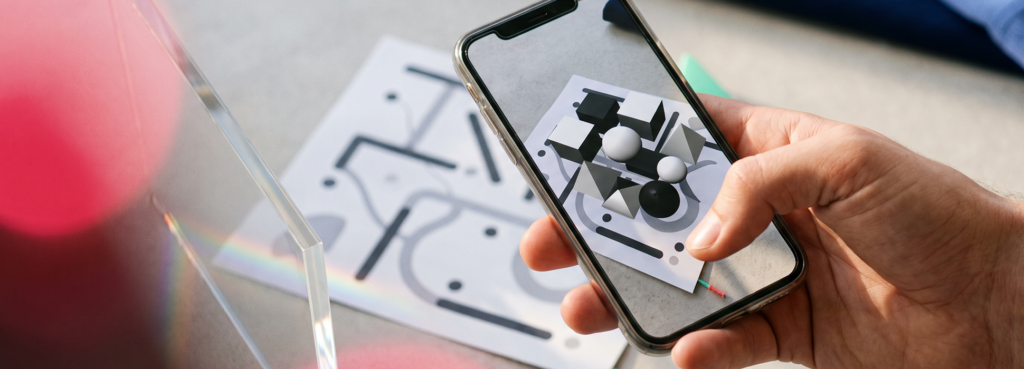
There are days when we think back — with a bit of a smile — to the time when augmented reality (AR) and virtual reality (VR) used to mean a big screen, or maybe a projection if the budget felt optimistic.
Now it means something entirely different.
Brands suddenly want AR try-ons, VR brand worlds, extended reality (XR) experiences that blend digital and physical in ways even marketers didn’t dare pitch five years ago.
And the funny part? It doesn’t feel like futurism anymore. It feels overdue.
But while everyone’s rushing to add XR to their strategy slide, there’s something worth remembering. The biggest mistake brands make is treating immersive technology as a technology project. The strongest AR, VR and XR experiences start with a human challenge, not a headset.
For most brands, the question is no longer whether AR, VR or XR works. The question is which technology solves the right business problem.
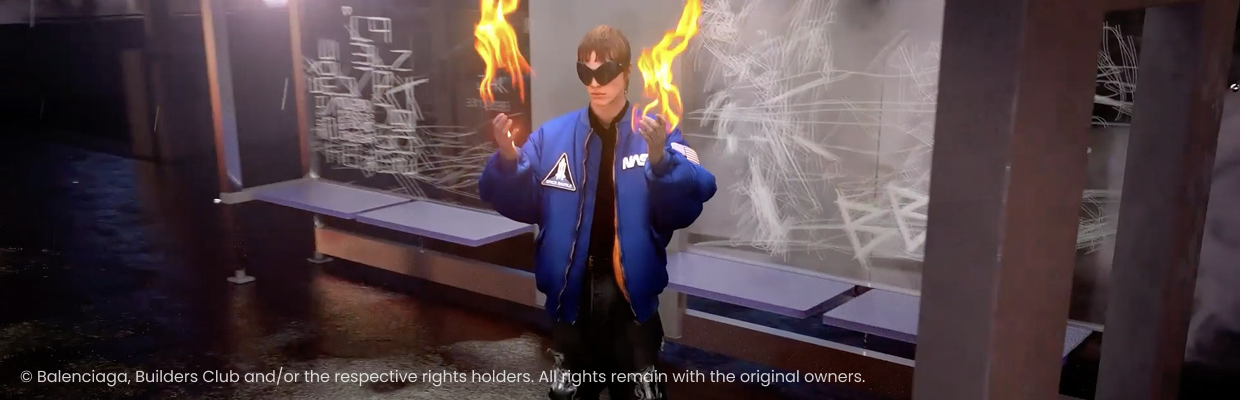
In simple terms: AR is best for helping customers visualise and evaluate products before making a decision. VR is best for immersive storytelling and focused attention. XR is best for connecting digital experiences with physical environments such as events, showrooms and customer experience centres.
The right choice depends less on the technology and more on the experience you’re trying to create.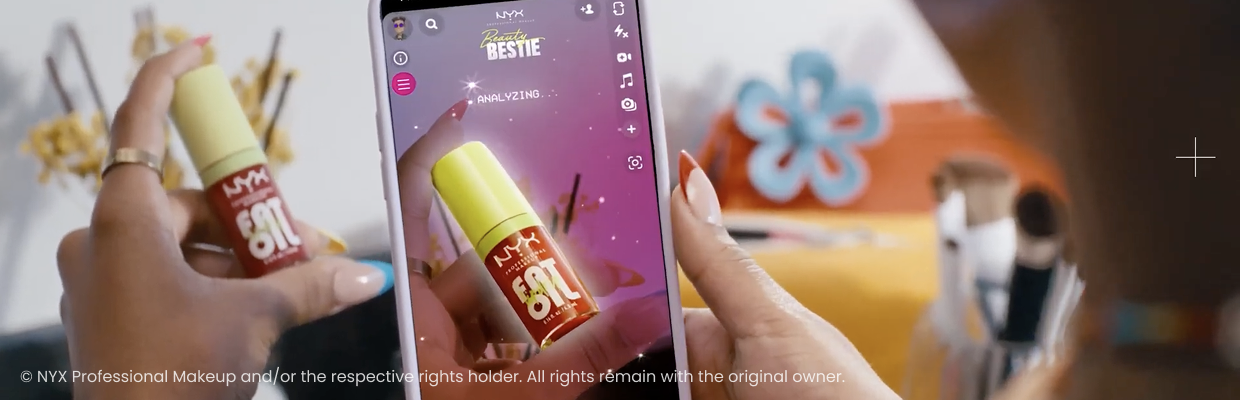
Five years ago, immersive technology often felt like a novelty.
Today it feels increasingly practical.
Several things have changed:
The result is that immersive experiences have moved from innovation budgets into mainstream marketing budgets.
The conversation has shifted from: “Can we build this?” to: “Will this improve the experience?”
That is a much healthier question.
| Question | AR | VR | XR |
|---|---|---|---|
| What is it? | Digital content layered onto the real world. | Fully immersive virtual environment. | A blend of physical and digital experiences. |
| Primary goal | Reduce uncertainty before a decision. | Create focused, immersive attention. | Make environments interactive and responsive. |
| Best for | Product discovery and evaluation. | Deep storytelling and exploration. | Events, activations and experiential spaces. |
| Customer problem solved | “Can I see this before I buy?” | “Can I experience this before it exists?” | “Can this environment react to me?” |
| Typical use cases | Virtual try-ons, product visualisation, room placement. | Brand worlds, training, product demonstrations. | Interactive events, showrooms, customer experience centres. |
| Marketing benefit | Higher purchase confidence. | Stronger engagement and recall. | Greater participation and memorability. |
| Example | NYX virtual try-on. | Balenciaga Afterworld. | Interactive brand activations and mixed-reality experiences. |
| Biggest mistake | Using AR as a gimmick. | Building a VR world with no purpose. | Adding technology without improving the experience. |
Here’s the part people skip in conferences: immersive tech isn’t creative by default.
At Digiten, what we’ve learned is simple:
And above all: don’t lightweight it. Immersive tech fails when treated like a “digital extra.” It needs specialists — design, spatial logic, performance testing.
The future isn’t about headsets, holograms, or virtual worlds. It’s about designing moments where people feel something real inside environments that aren’t.
A simple framework:
This distinction matters.
Many immersive projects fail because they prioritise technology over experience.
Brands exploring immersive experiences often discover that they form part of a wider digital ecosystem. Interactive events, customer experience centres and digital platforms are often most effective when designed together rather than as standalone projects.
| If your goal is… | Best option |
|---|---|
| Increase purchase confidence | AR |
| Showcase complex products | AR / VR |
| Create deep immersion | VR |
| Drive event engagement | XR |
| Create memorable brand activations | XR |
| Improve product understanding | AR / VR |
| Create a premium customer experience centre | XR |
| Blend digital and physical environments | XR |
The most common failure is starting with the technology.
The conversation often begins: “Should we use AR?” “Should we build a VR experience?” “Should we create something in XR?” Those are the wrong questions.
The better questions are:
What problem are we solving? What experience are we creating? What should people feel, understand or remember?
Only then should technology enter the conversation.
At Digiten, we have found that the strongest immersive experiences emerge when design, storytelling and technology work together. Not when technology leads.
The brands investing here aren’t chasing trends — they’re building experiences that feel less like marketing and more like a brand responding to you.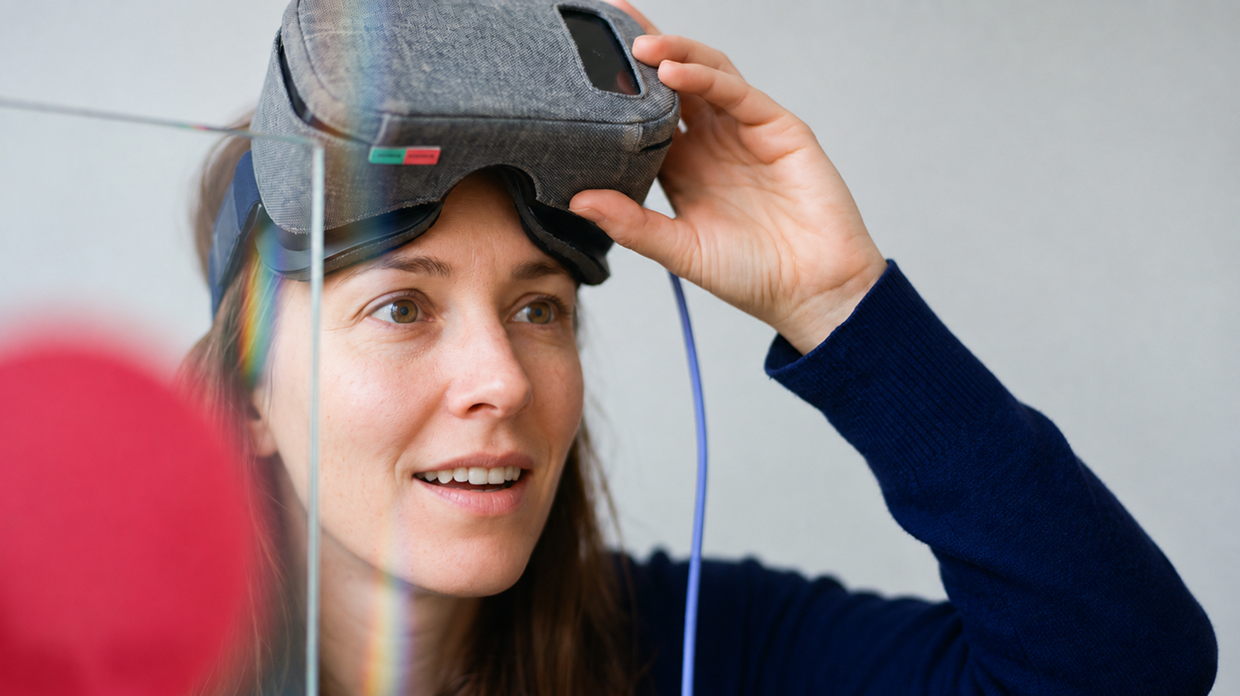
The future of immersive marketing is not more technology. It’s better experiences.
Customers don’t remember the headset. They remember what they felt, understood or discovered while using it. The brands winning with AR, VR and XR are not building technology demonstrations. They’re designing experiences people genuinely want to engage with.